Expat Healthcare in Thailand: What Expats Use
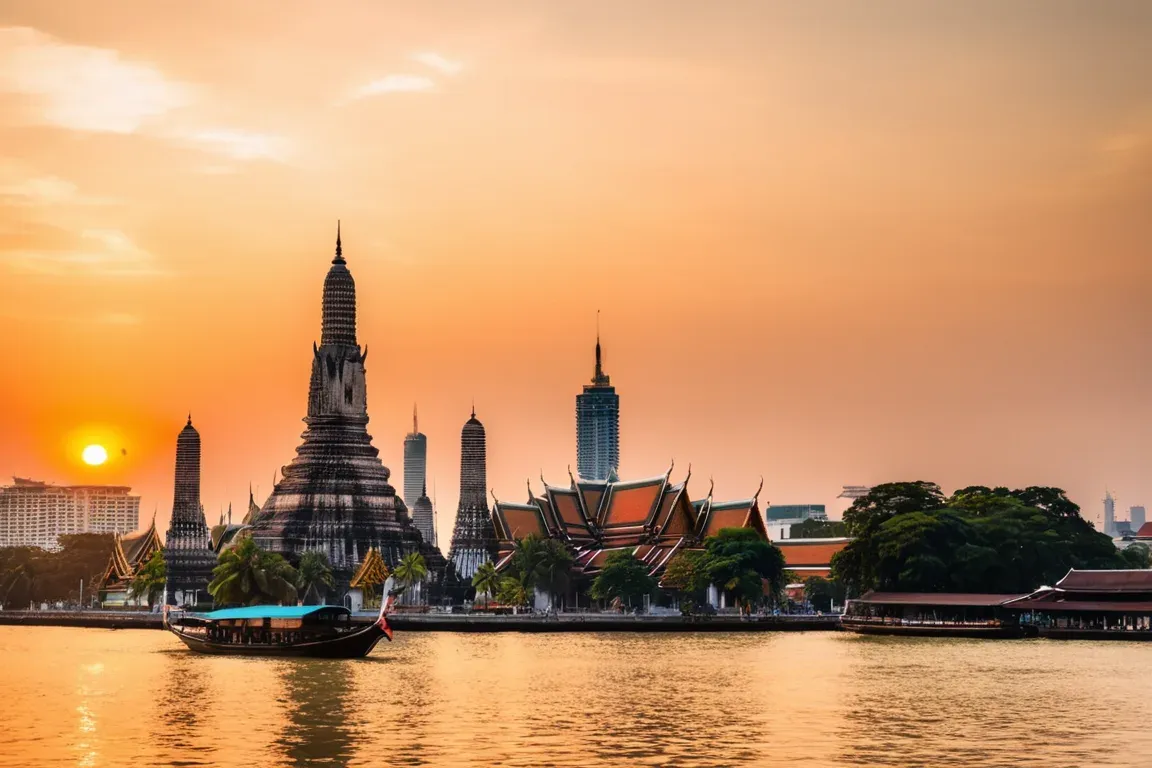
In a land of lively culture and striking landscapes, Bangkok offers both adventure-seekers and seasoned expats alike the opportunity to immerse themselves in Thai life. While many expats find the busy capital city an exciting backdrop for their new lives, one area often overlooked is healthcare in Thailand. read more travel guides
Understanding Healthcare Needs
As with any foreign country, it's essential for expats to understand what they might need from a healthcare standpoint. Whether you're looking into long-term residency or temporary visits, knowing your options can be crucial.
Public Healthcare in Thailand
- Type: Public healthcare is available but often lacks the comprehensive coverage required by expats.
- Costs: Free to attend clinics and hospitals; most medical procedures are covered under a government-provided health insurance, which typically costs approximately 10,000 baht per month for one person. However, this can vary significantly depending on the specific insurance plan chosen.
- Access: Public facilities like hospitals (such as Chulalongkorn University Hospital) are often understaffed and may struggle with capacity due to limited funding and resources.
The Benefits of a Private Health Insurance Plan
Purchasing private health insurance is the most secure option for expats looking to have access to comprehensive care. Unlike public healthcare, which can be overwhelmed by high demand at certain times of year or in crowded areas, private plans offer:
- Guaranteed Access: You are assured a spot when you need it, not limited by waiting lists.
- Comprehensive Coverage: This includes everything from routine check-ups to emergency care and hospital stays. Many insurance providers cover up to 90% of the costs associated with medical procedures and services abroad.
- Customization: You can tailor your coverage to fit your needs, such as opting for dental or vision plans that may be more cost-effective than other options.
The Role of Private Health Insurance in Thailand
Purchasing private health insurance in Thailand is a significant investment but one that offers substantial peace of mind. It not only covers your medical expenses while living abroad but also helps you navigate the complexities of international healthcare regulations and procedures, which can be quite different from home.
Local Medical Professionals vs. International Doctors
Choosing between local Thai doctors or internationally trained physicians (known as "Foreign Specialists") depends on various factors including your specific needs and where theyre based in Thailand:
- Thai Doctors: They are highly skilled but might face language barriers, long waiting times for appointments, and limited expertise.
- International Doctors: These specialists often have advanced degrees from prestigious universities abroad, offer a more specialized approach to your condition, and can communicate effectively in English or another common language.
The Pros and Cons of Each Approach
Choosing between local Thai doctors versus internationally trained physicians involves weighing the pros and cons. Local practitioners are familiar with the local medical system and may be more affordable, making them a good option for those seeking immediate care or routine check-ups.
On the other hand, international specialists can provide unparalleled expertise in specialized areas such as surgery or rare diseases that may not be covered by Thai health insurance. However, their fees are often higher than those of local doctors and can add significantly to your monthly expenses.
The Importance of Medical Insurance
if you need long-term expat planning for future medical needs or an occasional visitor looking to stay healthy while in Thailand, having proper healthcare insurance is crucial. It ensures that even if the unexpected occurs, you can maintain your quality of life without financial stress.
Tips for Expats Considering Healthcare in Thailand
Before settling on a specific plan:
- Research extensively: Make sure to read reviews and compare plans from different insurance providers.
- Consider your health needs: If youve chronic conditions, look for a plan that offers coverage for those services.
- Review exclusions: Some plans may exclude certain procedures or medications. Ensure they align with your requirements and preferences.
Thailand expat healthcare is key here. To finish, expats navigating healthcare in Thailand should be mindful of their options, whether it's through public clinics, private health insurance, or a combination of both. By understanding the local system and choosing wisely, you can ensure that youve access to the care you need while enjoying life abroad.
The Benefits of Private Healthcare in Thailand
Private healthcare services in Thailand offer expats a high level of medical care, often more advanced than what is available at the national public hospitals. These private clinics and hospitals are staffed by highly qualified doctors, nurses, and other medical professionals, ensuring that patients receive individualized attention.Experience High-Quality Care
Thailand expat healthcare is key here. Private healthcare providers in Thailand typically employ board-certified specialists who have completed advanced training in their respective fields. This ensures that expats can access the best possible care from highly qualified experts.

Access to International Medical Facilities
Thailand expat healthcare is key here. Many private hospitals and clinics in Thailand are accredited by international organizations, allowing expats to benefit from state-of-the-art medical facilities and equipment. This is particularly important for expats with conditions that require specialized treatment or those who need advanced diagnostic technologies.
The Importance of Medical Insurance in Thailand
Thailand expat healthcare is key here. Expats should always have comprehensive medical insurance to cover their health needs while living abroad. Here are some reasons why:
- Potential Costs: Healthcare can be expensive, especially when traveling or facing unforeseen emergencies.
- Emergency Services: In the event of an accident or medical emergency, expats should have access to fast and reliable emergency services. Medical insurance allows them to get help quickly without worrying about costs.
- Vaccinations and Preventive Healthcare: Medical insurance often covers vaccines, preventive screenings, and other important health-related services, keeping expats healthy throughout their stay in Thailand.
Frequently Asked Questions (FAQ)
Q: Is private healthcare cheaper than public hospitals?
Thailand expat healthcare is key here. Yes, private healthcare can be significantly more expensive than public hospitals. However, the quality of care is often higher and can provide access to specialized services that arent available in public facilities.
Q: Are expats covered under Thailand's national health insurance?
Thailand expat healthcare is key here. National healthcare in Thailand is primarily provided by the National Health Insurance Fund (NHIF). While NHIF provides a basic level of coverage, it may not cover all medical expenses or provide the same level of care as private hospitals and clinics.
Q: Is there an age limit for expats to use their health insurance?
Thailand expat healthcare is key here. Generally, there is no specific age limit for using health insurance in Thailand. However, some policies have certain requirements or exclusions based on the policyholder's age and medical history.
Q: Can expats receive emergency services without a health insurance card?
Thailand expat healthcare is key here. While most hospitals in Thailand require a valid health insurance card for emergency services, some private clinics may provide emergency care to patients with a national ID or passport. However, it's important to note that this isnt guaranteed and the quality of care might differ.